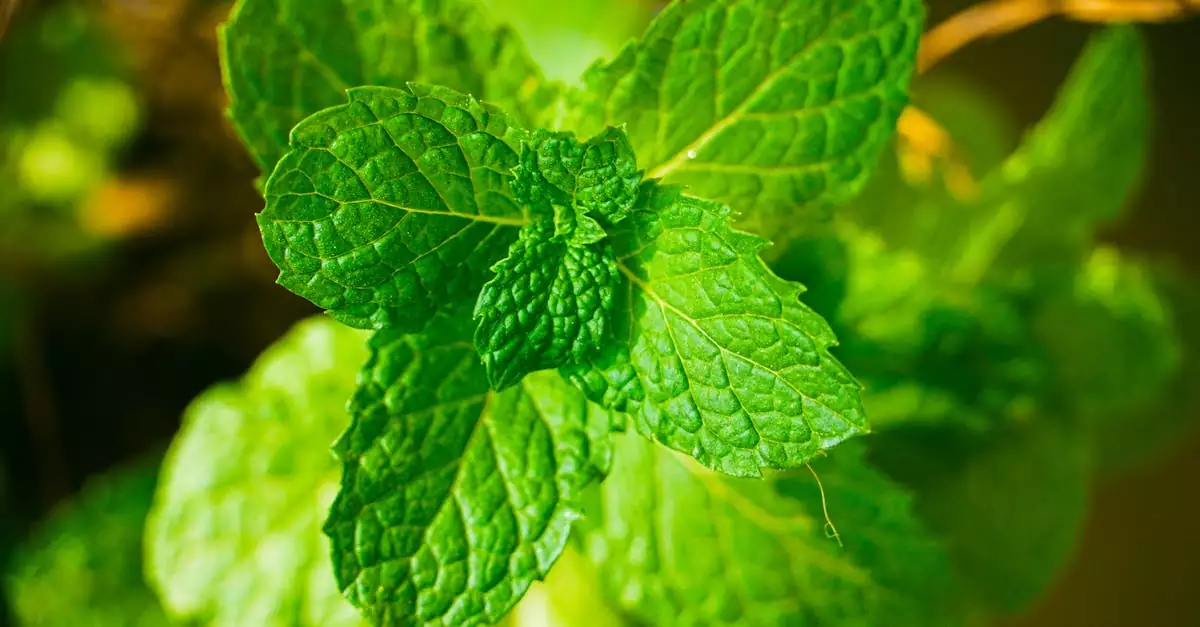
Growing aromatic herbs at home is a rewarding experience, especially in India where the climate suits a variety of kitchen herb plants perfectly. Whether you’re a seasoned gardener or a beginner, adding fresh herbs like mint and basil to your garden can transform your cooking and bring a touch of nature indoors. Aromatic herbs India enthusiasts often seek plants that offer both fragrance and flavor, making them a must-have in any kitchen garden.
This article contains affiliate links. As an Amazon Associate, we earn from qualifying purchases at no extra cost to you.
- Best Overall – Mint
- Best Budget – Basil
- Best Premium – Organic Mint Plant
| Product Name | Key Feature | Best For | Check Price |
|---|---|---|---|
| Mint | Fast-growing, refreshing aroma, pest-resistant | Fresh culinary use and herbal teas | Check Price |
| Basil | Sweet fragrance, drought tolerant, versatile in cooking | Indian and Italian cuisines | Check Price |
| Organic Mint Plant | Cultivated organically, chemical-free, rich aroma | Health-conscious gardeners and premium kitchen gardens | Check Price |
Why Choose Aromatic Herbs for Your Kitchen Garden?
Aromatic herbs like mint and basil are more than just plants; they are an essential part of Indian cooking and wellness traditions. Growing these herbs at home offers fresh, pesticide-free ingredients at your fingertips. Not only do they enhance the taste of your dishes, but their natural fragrances also create a calming environment, perfect for urban homes.
Kitchen herb plants India gardeners cherish are typically hardy, easy to maintain, and provide continuous harvests throughout the year. With minimal space, even balcony gardeners can enjoy the benefits of these aromatic plants. Plus, many herbs have medicinal properties that support digestion, immunity, and even mental well-being.
Featured Snippet
Mint and basil are among the top aromatic herbs in India, prized for their fresh flavors and health benefits. Ideal for kitchen gardens, these herbs thrive in Indian climates and require minimal care, making them perfect for both beginners and expert gardeners alike.
Mint: The Evergreen Aromatic Herb
Mint is arguably the most popular aromatic herb in India. Known for its cooling effect and versatile use in everything from chutneys to teas, mint is a must-have for any kitchen garden. It grows quickly and spreads easily, making it a reliable choice for gardeners.
Key Features of Mint
- Rapid growth and easy propagation through cuttings
- Strong, refreshing aroma that deters pests naturally
- Thrives in partial shade and well-drained soil
- Requires regular watering but tolerates occasional dryness
- Rich in antioxidants and has digestive benefits
Pros & Cons
- Pros: Fast-growing, pest-resistant, multi-purpose use in cooking and health remedies
- Cons: Can become invasive if not contained, needs frequent pruning
Best For
Mint is perfect for gardeners looking for a low-maintenance herb with a strong aroma and culinary versatility. It suits Indian kitchens that use fresh herbs daily for chutneys, beverages, and garnishing.
💡 Price may change anytime, check latest deal below:
Basil: The Sweet and Versatile Herb

Basil, known locally as “Tulsi” in many Indian households, holds a revered place in both culinary and spiritual practices. Its sweet fragrance and slightly peppery flavor make it ideal for a variety of dishes, especially in Indian and Italian cuisines. Basil is also drought-tolerant, making it suitable for India’s varying climate zones.
Key Features of Basil
- Sweet, aromatic leaves with a mild peppery taste
- Thrives in warm temperatures with good sunlight
- Moderate watering needs, tolerates dry spells
- Rich in vitamins A, K, and C, along with antioxidants
- Used in traditional medicine for respiratory and digestive health
Pros & Cons
- Pros: Easy to grow, drought-tolerant, versatile in cooking, and medicinal benefits
- Cons: Sensitive to overwatering, requires good sunlight for best growth
Best For
Basil suits gardeners who want a fragrant, easy-care herb that complements a wide range of dishes. It’s also ideal for those interested in the medicinal and spiritual aspects of aromatic herbs India.
💡 Price may change anytime, check latest deal below:
How to Choose the Best Aromatic Herbs India for Your Kitchen
Choosing the right aromatic herbs depends on your cooking habits, available space, and gardening experience. Mint and basil are excellent starting points due to their adaptability and uses. Here are some tips to help you decide:
- Consider your climate: Most aromatic herbs thrive in warm, sunny environments but some like mint tolerate partial shade.
- Space availability: Mint spreads aggressively, so container gardening is advisable. Basil grows well in pots or garden beds.
- Usage frequency: If you cook with herbs daily, opt for fast-growing varieties like mint. For occasional use, basil’s longer growth cycle is manageable.
- Maintenance: Mint requires regular pruning but is pest-resistant. Basil is more sensitive to watering but less invasive.
| Herb | Sunlight | Water Needs | Growth Rate | Ideal Use |
|---|---|---|---|---|
| Mint | Partial Shade | Regular | Fast | Teas, chutneys, garnishes |
| Basil | Full Sun | Moderate | Moderate | Curries, salads, pesto |
Planting and Care Tips for Aromatic Herbs in India

Growing aromatic herbs successfully involves understanding their specific needs. Here’s a quick guide to help you cultivate mint and basil in Indian conditions:
Soil and Potting
Use well-drained, fertile soil rich in organic matter. For container gardening, choose pots with drainage holes and use a mix of garden soil, compost, and sand.
Watering
Keep the soil moist but not soggy. Mint prefers slightly more water, while basil needs moderate watering to avoid root rot.
Sunlight
Mint grows well under partial shade, especially in hot summers. Basil requires full sun for at least 6 hours daily to develop its aroma and flavor.
Pruning and Harvesting
Regular pruning encourages bushier growth and prevents flowering, which can reduce leaf quality. Harvest leaves in the morning for best aroma.
Pest Control
Both herbs are relatively pest-resistant. Use natural remedies like neem oil or soapy water for occasional aphid or mite infestations.
Comparison Table: Mint vs. Basil
| Feature | Mint | Basil |
|---|---|---|
| Growth Speed | Fast | Moderate |
| Sunlight Requirement | Partial Shade | Full Sun |
| Watering Needs | High | Moderate |
| Flavor Profile | Cool, refreshing | Sweet, peppery |
| Maintenance | Requires frequent pruning | Needs careful watering |
| Pest Resistance | Good | Moderate |
Top Features of Aromatic Herbs India
| Feature | Description |
|---|---|
| Fragrance | Strong, fresh aroma that enhances cooking and indoor ambiance |
| Ease of Growth | Adaptable to Indian climates with minimal care requirements |
| Health Benefits | Rich in antioxidants, vitamins, and medicinal properties |
| Versatility | Suitable for culinary, medicinal, and decorative uses |
| Propagation | Easy through cuttings and seeds |
Summary: Choosing the Right Aromatic Herb for Your Needs
| Herb | Best For | Care Level | Price Range |
|---|---|---|---|
| Mint | Quick harvest, refreshing flavor, pest resistance | Easy | ₹100 – ₹200 |
| Basil | Flavorful dishes, drought tolerance, medicinal use | Moderate | ₹80 – ₹150 |
| Organic Mint Plant | Premium quality, chemical-free, health-conscious users | Easy | ₹250 – ₹400 |
More Options for Aromatic Herbs India
Looking for a wider variety of aromatic herbs to enhance your kitchen garden? Explore more choices and find the perfect fit for your culinary and gardening preferences.
Expert Tips for Growing Kitchen Herb Plants India
As an expert gardener with years of experience growing aromatic herbs in Indian conditions, here are some practical insights to ensure your success:
- Container gardening: Use pots to control growth and prevent invasive spread, especially for mint.
- Rotate crops: Avoid planting the same herb in the same soil continuously to prevent nutrient depletion.
- Use organic fertilizers: Compost and manure enrich soil without harmful chemicals.
- Harvest regularly: Frequent harvesting encourages new growth and enhances leaf flavor.
- Watch for pests: Early detection and organic treatment keep plants healthy without chemicals.
For detailed guides on other aromatic herbs, you can visit our related gardening articles and improve your green thumb.
FAQs About Aromatic Herbs India
1. Which aromatic herbs grow best in Indian climates?
Mint and basil are among the best aromatic herbs suited for Indian climates due to their adaptability, aroma, and culinary uses.
2. How do I prevent mint from spreading too much?
Plant mint in containers or use root barriers in garden beds to contain its aggressive spreading nature.
3. Can I grow basil indoors in India?
Yes, basil can be grown indoors with sufficient sunlight, ideally near a south-facing window, and proper watering.
4. What are some common pests affecting aromatic herbs?
Aphids, spider mites, and whiteflies are common pests. Organic treatments like neem oil help control them effectively.
5. How often should I water mint and basil?
Mint prefers consistently moist soil, so water regularly. Basil requires moderate watering and should not be waterlogged.
6. Are aromatic herbs suitable for balcony gardening?
Absolutely. Mint and basil thrive in pots and containers, making them ideal for balconies and small spaces.
7. Can I use kitchen herb plants India as natural air fresheners?
Yes, aromatic herbs like mint and basil emit pleasant fragrances that naturally freshen indoor air.